
Doctors: The Legal Tax Loophole Using Negative Gearing & Shares
Doctors: The Legal Tax Loophole Using Negative Gearing & Shares Read More…

Follow Us:


PHONE (03) 9326 1244
Doctors: The Legal Tax Loophole Using Negative Gearing & Shares
Doctors: The Legal Tax Loophole Using Negative Gearing & Shares Read More…

Why Doctors Struggle With Cash Flow (And the Fix That Isn't a Budget)
Cash flow for doctors is a real problem and the solution is simple ( no budgeting required) Read More…

Budget Bombshell: Trusts, Property and Tax Rules Just Changed
Budget Bombshell: Trusts, Property and Tax Rules Just Changed Read More…
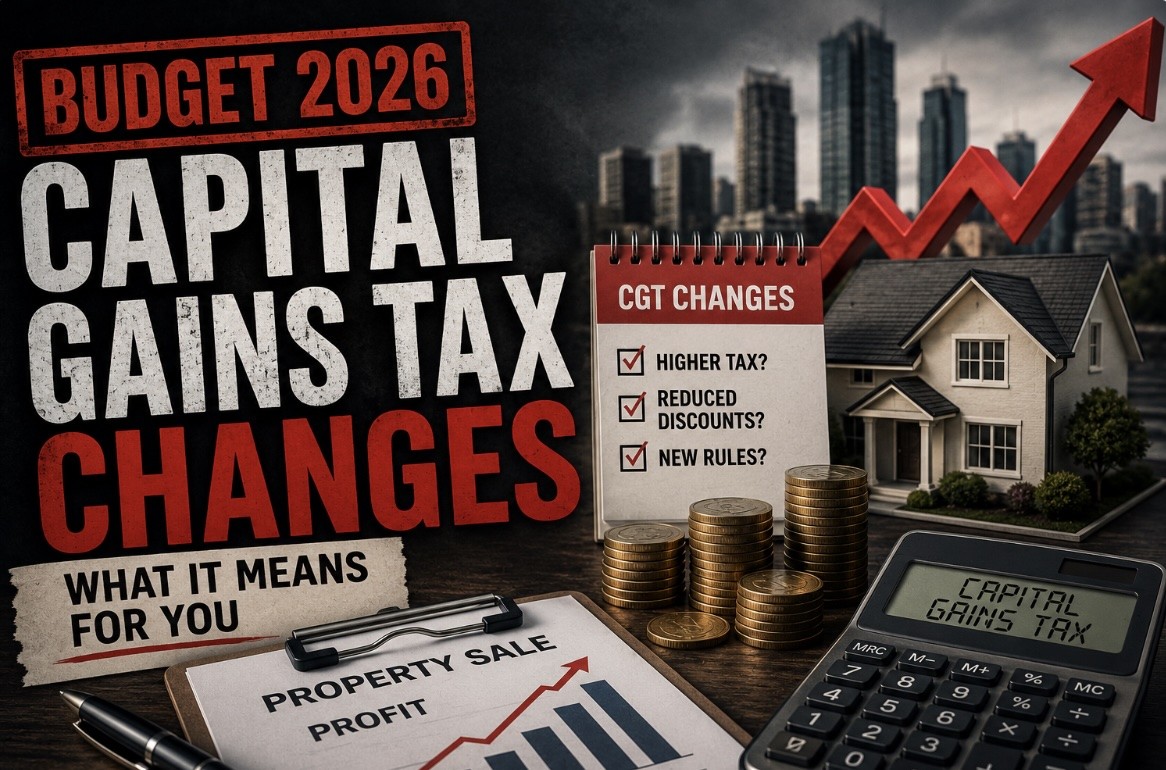
Capital Gains Tax Changes ( Federal Budget 2026)
Capital Gains Tax Changes ( Federal Budget 2026) Read More…

Discretionary trusts minimum 30% tax (Federal Budget 2026)
Discretionary trusts minimum 30% tax (Federal Budget 2026)
Read More…
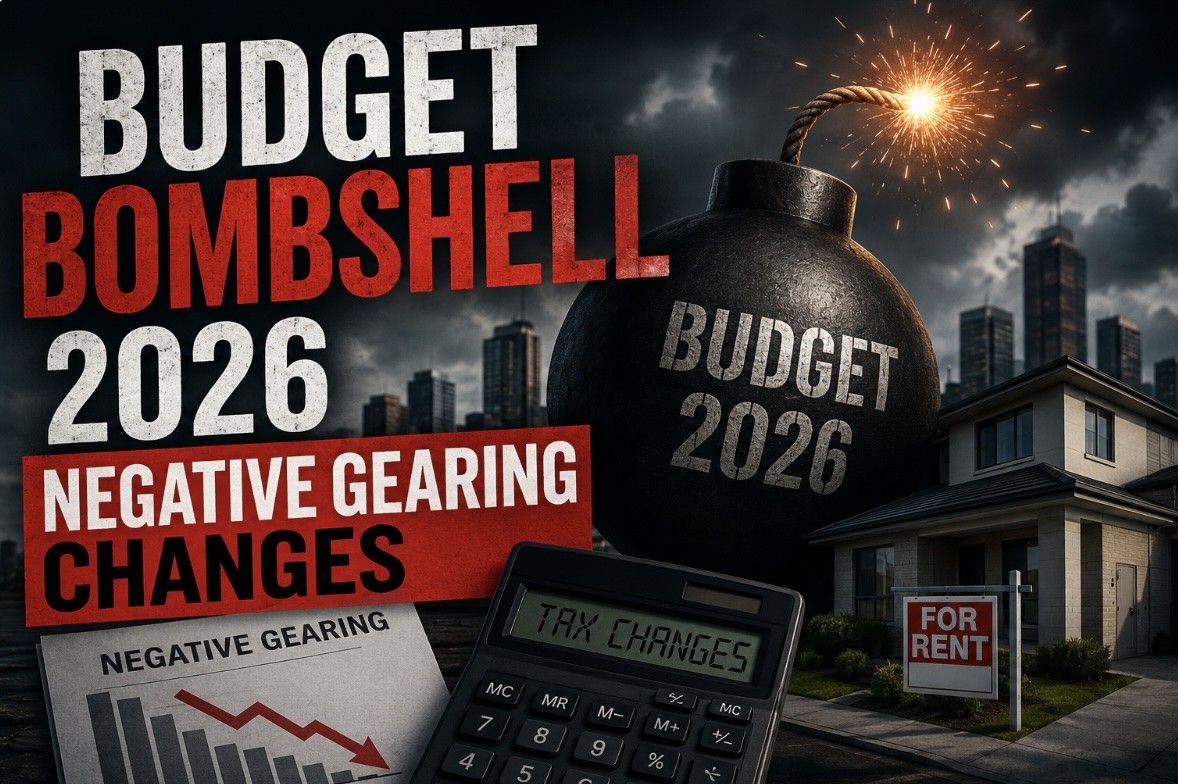
Negative Gearing Changes (Federal Budget 2026)
Negative Gearing Changes (Federal Budget 2026) Read More…

From Employee Doctor to Business Owner: Your First Year as a GP
From Employee Doctor to Business Owner: Your First Year as a GP Read More…

Division 296 Is Now Law: What It Means for Your Super (And What You Should Do Next)
Division 296 Is Now Law: What It Means for Your Super (And What You Should Do Next) Read More…

Can You Claim Meals With Clients on Tax?
Alright, let’s clear something up, because this one trips up a lot of business owners. You shout a client lunch. You talk shop.The bill comes. And you think: “Beauty. That’s a tax deduction.” Sorry to be the bearer of bad news — but most of the time, it’s not Read More…

Debt Recycling for Doctors & Dentists
Let me paint a picture. You’re a doctor or dentist in private practice. You work ridiculous hours.You earn excellent money. And yet… every
year you hand over a painful amount of cash to the tax office, while a home loan — however small — just sits there, quietly
charging you interest you can’t deduct.
Read More…

How To Value a Medical Practice
We get asked this question all the time: what’s my medical practice actually worth? Read More…

The Hidden Truth About Holiday Homes No One Tells You!
Let’s tackle one of the questions I get asked all the time...'Should I buy a holiday home?' It’s a ripper question. Read More…

Payday Super: What It Means for Your Business
If you run a business in Australia, there’s a change coming that’s going to nudge superannuation right to the top of your to-do list. It’s called Payday Super, and while the idea is simple, the impact could be anything but, especially for small businesses. Read More…

The Government’s $20,000 Gift to Small Business
If you run a business, there’s good news on the horizon. The government has extended the $20,000 instant asset write-off into the 2026 financial year, giving small business owners another year of breathing room — and a handy opportunity to invest back into their operations. Read More…

So You’ve Got a Director Penalty Notice? What To Do About It
So You’ve Got a Director Penalty Notice? Here’s What Happens Next (and What To Do About It) Read More…

Is Negative Gearing Still a Good Strategy?
Is negatively geared property still a good strategy? Read More…

How To Claim Overseas Travel as a Tax Deduction
Discover how to legally cliam your overeas travel as a tax deduction. Read More…

Use This Legal Tax Hack To Slash Your Tax
Superannuation can feel overly technical, but there’s one rule that could seriously boost your retirement savings and massively reduce your tax. If your income varies from year to year, this Legal Tax Hack let you top up your super on your own terms .Here’s how the rule works and how to make the most of it. Read More…

Please complete the form below
Download now and get your
business off to a flying start!
If I can help in any way, please don’t hesitate to use the live chat box below.
Talk to Us Now


